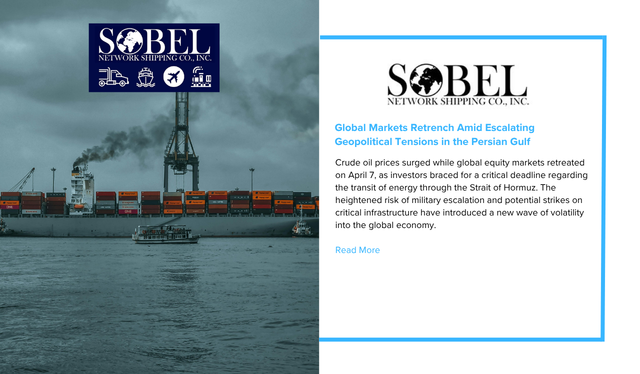
Crude oil prices surged while global equity markets retreated on April 7, as investors braced for a critical deadline regarding the transit of energy through the Strait of Hormuz. The heightened risk of military escalation and potential strikes on critical infrastructure have introduced a new wave of volatility into the global economy.
Market Reaction and Indices
The S&P 500 fell 0.7% in early trading as the international community monitored a looming 8 p.m. Eastern time deadline for the reopening of the Strait. Market sentiment remained fragile, characterized by sharp fluctuations:
-
The Dow Jones Industrial Average dropped 210 points (0.5%).
-
The Nasdaq Composite saw a steeper decline of 1.1%.
-
Treasury Yields ticked upward, with the 10-year note rising to 4.36%, further increasing borrowing costs for households and businesses.
Market analysts note that the “see-saw” price action reflects deep uncertainty over whether the current conflict will see a diplomatic breakthrough or a significant intensification of hostilities.
Energy Disruption and Inflationary Pressure
The most acute impact is being felt in the energy sector. The bottleneck in the Persian Gulf has severely snarled the production and transportation of crude oil, leading to a spike in prices:
-
U.S. Benchmark Crude: Rose 3.9% to $116.83 per barrel.
-
Brent Crude: Increased to $110.55, a significant jump from pre-conflict levels near $70.
There is growing concern that prolonged disruptions will sustain high energy costs, triggering a wave of inflation across the global economy. In the United States, the average price of gasoline has already climbed to $4.14 per gallon, up from under $3 prior to the onset of regional hostilities in late February.
Sector Impacts: Winners and Losers
The ripple effects of rising fuel costs and geopolitical instability are hitting various industries with varying degrees of intensity:
| Sector | Impact | Notable Moves |
| Travel & Logistics | Negative | Airlines and cruise lines saw sharp losses due to projected fuel expenses. |
| Consumer Staples | Negative | Low-cost retailers struggled as customers faced reduced discretionary income from high gas prices. |
| Healthcare | Positive | Health insurers saw gains following updated federal payment projections for 2027. |
| Cryptocurrency | Negative | Digital assets fell alongside broader “risk-off” sentiment in the market. |
Professional Outlook
The immediate future of the markets hinges on the outcome of tonight’s deadline. Investment strategists suggest that indices are unlikely to establish a firm trend until there is clarity on whether the situation moves toward a negotiated settlement or an escalatory military response.
While some historical precedents suggest that aggressive rhetoric does not always lead to direct action, the potential for a “long-term disruption” remains the primary risk factor for global portfolios. As of mid-morning, the move toward “safe-haven” assets and the pricing-in of a risk premium on oil continue to dominate the financial landscape.