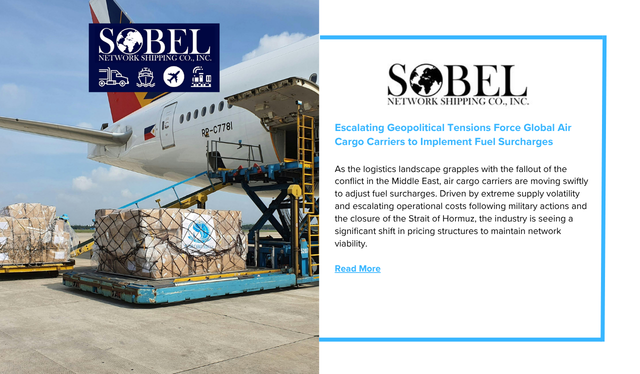
As the logistics landscape grapples with the fallout of the conflict in the Middle East, air cargo carriers are moving swiftly to adjust fuel surcharges. Driven by extreme supply volatility and escalating operational costs following military actions and the closure of the Strait of Hormuz, the industry is seeing a significant shift in pricing structures to maintain network viability.
The impact is measurable and immediate. On April 27, the spot price of U.S. Gulf Coast kerosene-type jet fuel surged to $4.03 per gallon—a nearly 100% increase compared to the previous year. This spike has already resulted in double-digit rate increases for air freight originating from Northeast and Southeast Asia to North America.
The Operational Ripple Effect
Beyond the direct cost of fuel, the volatility is creating secondary pressures across the global supply chain:
-
Rerouting & Payload Constraints: Flights are being diverted to avoid conflict zones, increasing fuel burn and reducing available payload capacity.
-
Schedule Reliability: Operational adjustments to account for limited jet fuel availability are impacting global flight schedules.
-
Multi-Modal Inflation: The pressure is not limited to air; ocean carriers (MSC, Maersk) and trucking firms are similarly implementing surcharges, while parcel carriers like UPS have introduced “Surge Emergency Fees.”
Carrier-Specific Surcharge Responses
To help our partners navigate these changes, here is a breakdown of how major carriers are currently adjusting their fee structures:
| Carrier | Fee Name | Implementation Detail |
| United Cargo | Market Disruption Fee | Effective May 1; covers domestic and international shipments. APAC exports see the highest impact at $0.55/kg. |
| Air Canada Cargo | Airfreight Carrier Surcharge | Effective April 27; tiered based on flight distance (short, medium, and long-haul). |
| Cathay Cargo | Fuel Surcharge Review | Bi-weekly revisions; currently hedging only 30% of fuel costs, making surcharges necessary to bridge the gap. |
| ANA Cargo | Revised Fuel Surcharge | Adjusting existing surcharges to accommodate the recent spike in kerosene prices. |
| Lufthansa Cargo | Airfreight Surcharge | A dynamic fee reflecting fuel, currency, and security volatility; monitored and adjusted based on internal cost indices. |
Looking Ahead: Strategic Adjustments
The industry is preparing for a “higher-for-longer” fuel environment. United Airlines CEO Scott Kirby has already signaled that if fuel prices remain at these elevated levels, the carrier may scale back capacity growth plans as far out as 2027. Carriers are making tactical decisions to cut routes that are no longer cash-positive, which will inevitably tighten belly capacity in the coming quarters.
Industry Insight: For shippers, these developments underscore the importance of agility. As carriers adjust their networks and pricing weekly, Sobel Network Professionals remains committed to providing the most current market intelligence to help you mitigate cost and transit-time risks.