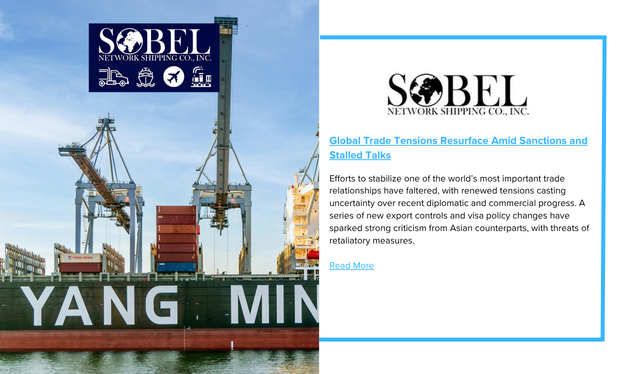
Efforts to stabilize one of the world’s most important trade relationships have faltered, with renewed tensions casting uncertainty over recent diplomatic and commercial progress. A series of new export controls and visa policy changes have sparked strong criticism from Asian counterparts, with threats of retaliatory measures.
The new measures—targeting advanced technology exports such as AI chip controls and design software, as well as visa restrictions for international students—were described by foreign officials as unilateral and discriminatory. The situation has strained the tentative tariff agreement reached earlier this year.
According to foreign commerce authorities, the recent policy shifts are inconsistent with prior commitments made during international negotiations. These developments come as global stock markets reacted sharply, with a broad index of regional equities declining nearly 3% amid rising trade uncertainty.
Beyond economic implications, geopolitical tensions are also intensifying. Military and diplomatic statements made during recent summits have further heightened concerns among international stakeholders.
Trade analysts note that delays in the export of critical minerals, especially those used in high-tech manufacturing, continue to impact downstream supply chains. Industry leaders have expressed concern that shifting policies and regulatory friction could undermine long-term investment planning and contract fulfillment.
Despite earlier hopes for a renewed leadership-level dialogue to resolve issues, no formal meetings or calls have yet been scheduled. In the meantime, both supply chain and trade professionals continue to monitor the evolving situation, as heightened volatility may impact sourcing, pricing, and global logistics in the months ahead.