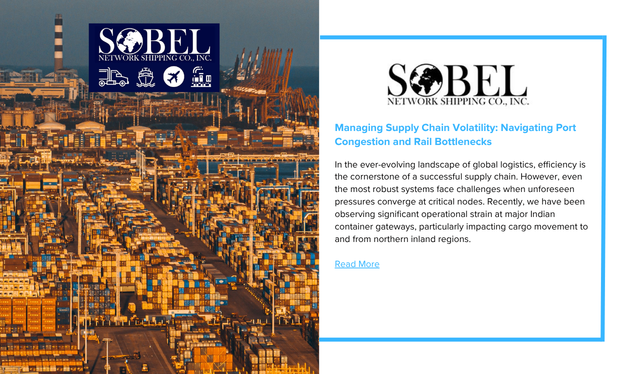
In the ever-evolving landscape of global logistics, efficiency is the cornerstone of a successful supply chain. However, even the most robust systems face challenges when unforeseen pressures converge at critical nodes. Recently, we have been observing significant operational strain at major Indian container gateways, particularly impacting cargo movement to and from northern inland regions.
As logistics professionals, it is vital to understand the mechanics of these disruptions—not just to address immediate hurdles, but to proactively manage client expectations and supply chain resilience.
The Mechanics of the Current Challenge
The situation at high-volume ports is currently defined by a “perfect storm” of factors. We are seeing a substantial surge in throughput, driven by a combination of organic volume growth and the strategic rerouting of transshipment cargo due to ongoing geopolitical instability in the Middle East.
When a port facility reaches its operational limit, the impact is rarely contained to the terminal itself. In this instance, the strain has heavily impacted inland logistics. Rail transport, which serves as a primary artery for moving goods to and from the northern hinterlands, is facing significant congestion. When rail yards reach capacity, containers become stranded, leading to a cascade of delays and increased transit costs for shippers.
Strategic Operational Shifts
To combat these bottlenecks, port authorities and stakeholders are taking decisive action to restore flow. One of the primary adjustments has been a tightening of export cargo “carting” policies—the lead time allowed for cargo to enter the port prior to a vessel’s arrival. By shortening these windows, terminals aim to reduce yard density and prevent the accumulation of stagnant freight.
While these measures are necessary to keep the terminal operational, they do place an added burden on exporters and forwarders to optimize their documentation and inland transit schedules.
Finding Perspective: A Balanced View
It is important to look at the broader regional picture. While one major gateway faces these specific pressures, we are simultaneously seeing improvements at other critical ports nearby. Through closer coordination between port stakeholders and government-led initiatives, some facilities have successfully mitigated the impact of the regional cargo surge. This highlights a critical lesson: logistics is rarely a static environment. What impacts one gateway may be alleviated elsewhere through collaborative efficiency and proactive management.
Moving Forward
For businesses relying on these trade lanes, the takeaway is clear: agility is essential. As logistics professionals, we recommend the following approach during periods of high congestion:
-
Proactive Communication: Stay informed on terminal gate-in policies and vessel schedule changes. Early awareness allows for adjustments to inland transit plans.
-
Contingency Planning: Where possible, evaluate alternative routing options or port pairs if a specific terminal becomes chronically congested.
-
Increased Lead Times: Expect potential volatility in transit times. Building in a buffer for cargo that relies on rail connectivity to the hinterlands can mitigate the impact of unexpected terminal delays.
At Sobel Net, we remain committed to navigating these complex challenges alongside our partners. By staying ahead of global infrastructure shifts and maintaining a clear view of regional dynamics, we ensure that your supply chain remains resilient, regardless of the hurdles on the horizon.