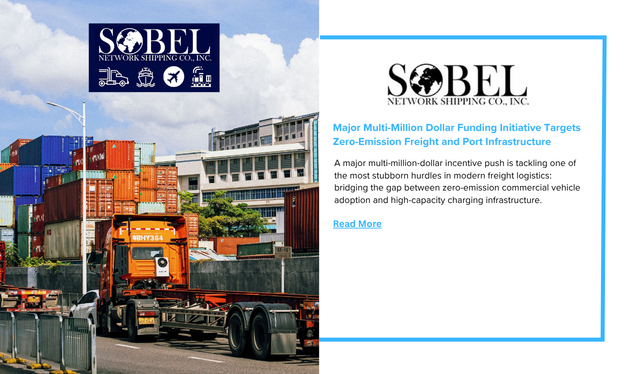
A major multi-million-dollar incentive push is tackling one of the most stubborn hurdles in modern freight logistics: bridging the gap between zero-emission commercial vehicle adoption and high-capacity charging infrastructure.
Regional transportation and environmental agencies are rolling out a comprehensive funding framework split into two specialized programs designed to accelerate fleet electrification across vital logistics hubs. The strategy reflects a growing consensus among supply chain operators that vehicle subsidies alone are insufficient unless paired with reliable, accessible power networks.
The primary segment of the initiative dedicates the lion’s share of capital—up to $39 million—toward point-of-sale vouchers. These funds are structured to significantly lower the barrier of entry for fleet managers purchasing heavy-duty drayage trucks, yard tractors, and necessary onboard charging hardware. By focusing on point-of-sale reductions, the program aims to alleviate the severe upfront capital expenditure that traditionally slows alternative-fuel adoption among regional carriers.
Complementing the vehicle vouchers is a targeted infrastructure component focused on establishing localized charging hubs. This secondary program directs millions toward funding multiple heavy-duty charging stations strategically located within a short radius of major marine terminals, warehouses, and distribution centers. Logistics experts emphasize that positioning high-capacity chargers directly along high-density freight corridors ensures that regional haulers can maintain tight turnaround times without facing debilitating range anxiety or grid bottlenecks.
Administrators of the initiative plan to deploy tracking dashboards to monitor deployment metrics, charger utilization rates, and overall vehicle performance. This data-driven approach allows logistics planners to evaluate real-world operational efficiencies and scale capacity proactively rather than reactively.
The wider financial backing stems from expansive federal sustainability grants aimed at greening national port ecosystems. Beyond heavy-duty trucks, these broader federal allocations are increasingly supporting complementary terminal upgrades, such as electrified cargo-handling equipment and shore power systems that enable docked container ships to shut down auxiliary diesel engines.
As regional authorities ramp up stakeholder outreach ahead of the official program rollouts, the overarching message for the freight sector is clear. Decarbonizing the supply chain from the terminal gate to the final distribution center is shifting from a long-term theoretical target into an active, systematically funded transition.