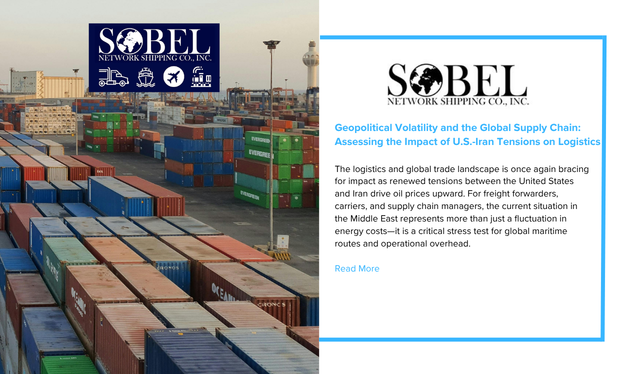
The logistics and global trade landscape is once again bracing for impact as renewed tensions between the United States and Iran drive oil prices upward. For freight forwarders, carriers, and supply chain managers, the current situation in the Middle East represents more than just a fluctuation in energy costs—it is a critical stress test for global maritime routes and operational overhead.
The Strait of Hormuz: A Critical Choke Point
The primary concern for the logistics sector remains the Strait of Hormuz. Following the U.S. seizure of an Iranian-flagged cargo vessel over the weekend, Iran has responded by once again restricting traffic through this vital waterway.
The logistical implications are immediate:
-
Fuel Surcharges: Brent crude climbed 3.8% to $93.84 per barrel today. While still below the war-time high of $119, the sudden spike forces carriers to adjust bunker adjustment factors (BAF) and fuel surcharges, directly impacting landed costs for shippers.
-
Capacity Constraints: With the April 21 ceasefire deadline looming, the threat of a prolonged blockade looms large. Any sustained closure of the Strait forces vessels to take longer, more expensive alternate routes, tightening global vessel capacity and disrupting schedule reliability.
Market Resilience vs. Operational Reality
While the S&P 500 and broader financial markets have shown a “cautious resilience”—dipping only slightly (0.2%)—the impact is felt much more acutely by transportation-heavy industries.
The Professional Outlook: Strategies for Shippers
From a professional logistics perspective, the current volatility emphasizes the need for diversification and agility. The fact that markets haven’t completely retreated suggests a lingering hope for a diplomatic resolution before the April 21 deadline. However, hope is not a strategy.
Key Takeaways for Logistics Leaders:
-
Monitor the Ceasefire: The 8:00 p.m. ET deadline on April 21 is the “make-or-break” moment for short-term rate stability.
-
Audit Fuel Strategies: With oil prices sensitive to daily headlines, now is the time to review fuel hedging and contract terms to mitigate sudden spikes.
-
Strengthen Resilience: As noted by analysts at Morgan Stanley, corporate earnings remain strong. The U.S. economy’s resilience provides a buffer, but supply chain managers must remain vigilant regarding the “hidden costs” of geopolitical delays and increased insurance premiums in high-risk zones.
Sobel Net continues to monitor these developments closely to ensure our partners can navigate these turbulent waters with confidence and clarity.