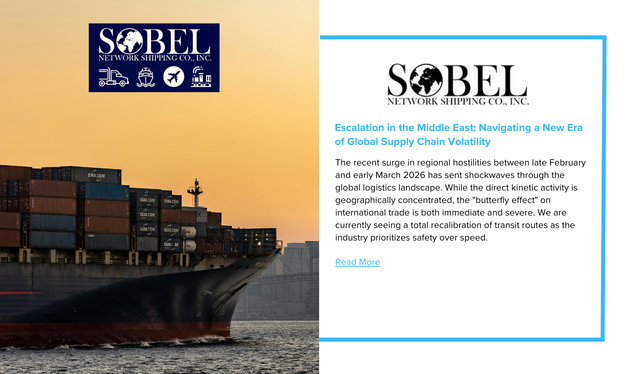
The recent surge in regional hostilities between late February and early March 2026 has sent shockwaves through the global logistics landscape. While the direct kinetic activity is geographically concentrated, the “butterfly effect” on international trade is both immediate and severe. We are currently seeing a total recalibration of transit routes as the industry prioritizes safety over speed.
The Current Landscape: A Three-Pronged Disruption
The fluidity of the situation has forced a near-total halt of traditional corridors. Here is how the primary modes of transport are being reshaped:
1. Airfreight: Capacity Crunch and Grounded Fleets
Regional airspace closures have effectively severed key east-west hubs.
-
Gridlock: Major regional carriers have suspended operations to stabilize networks and comply with safety directives.
-
The Backlog: With booking stops in place, a massive “logistics debt” is accumulating. Even once the skies reopen, expect a multi-week recovery period to clear the congestion.
2. Ocean Freight: The Closure of Vital Chokepoints
The maritime sector is facing a “double-lock” scenario. Any lingering hopes for a return to standard routes have evaporated.
-
Strategic Chokepoints: Both the Bab el-Mandeb and the Strait of Hormuz are currently avoided by all major global carriers.
-
Operational Suspensions: Port operations at key regional transshipment hubs have been paused following security incidents and aerial threats.
-
Economic Ripple Effects: As the Strait of Hormuz handles roughly 20% of the world’s oil, the industry is bracing for a sharp spike in fuel costs, which will inevitably translate into higher freight rates and emergency surcharges.
3. Road Freight: The Final Frontier
While land borders remain technically functional, they are the last remaining outlet for regional movement.
-
Security Latency: Expect significant delays at checkpoints due to heightened inspections.
-
Alternative Corridors: Shippers are looking toward secondary border crossings to bypass primary congestion points, though these remain subject to sudden regulatory changes.
Critical Impact Summary
Strategic Recommendations for Shippers
In an environment where “normal” no longer exists, agility is your only currency. We recommend the following immediate actions:
-
Audit Your Pipeline: Identify all shipments currently in transit. Expect significant ETA shifts as vessels divert around the African continent or seek safe harbor.
-
Buffer Your Timelines: Abandon “Just-in-Time” planning for the next quarter. Add substantial lead-time buffers for any cargo moving between Asia and Europe.
-
Validate Before Dispatch: Do not move cargo to terminals without explicit confirmation that the booking is active and the route is viable.
-
Prioritize Essentials: For time-critical cargo, explore multimodal “Sea-Air” solutions or alternative trans-continental rail where available.
The safety of personnel on the ground remains the absolute priority. While contingency plans are being deployed to maintain service continuity, the global trade map is being redrawn in real-time.